Tanzania's wildlife is part of our heritage, our ecosystems and our shared future. Save Patas Tanzania works with communities, scientists and partners to safeguard endangered species and restore savannah landscapes.
Partners and collaborators helping protect Tanzania's wildlife
Save Patas Tanzania is a Tanzanian-led, non-profit conservation organisation bringing people, science and practical action together to protect endangered and threatened species, restore savannah landscapes and strengthen community stewardship.
Our flagship focus is the Southern Patas Monkey, but our commitment extends to conserving the Maasai Apalis and other threatened wildlife and biodiversity across Tanzania — protecting habitats, water sources and the ecological connections that people and wildlife share.
We believe effective conservation is strongest when it is locally grounded, scientifically informed and built through meaningful partnership.
Protect Patas. Restore Savannahs. Support Tanzania's wildlife.
To see the Southern Patas — an endangered species — and other wildlife thrive in healthy, connected landscapes alongside empowered local communities in Tanzania.
To protect the Southern Patas Monkey, conserve Maasai Apalis and other wildlife, and restore savannah habitats through research, community partnership, education, capacity building, student support and sustainable conservation action.
We use science, technology, community knowledge and practical field action to understand wildlife populations, identify threats and guide effective conservation responses.
Ecological research, population monitoring, habitat assessment and wildlife tracking to safeguard the Patas Monkey, Maasai Apalis and other threatened species.
Protecting and restoring key habitats, water sources and wildlife corridors so ecosystems stay healthy and connected for many species.
Mentorship, internships and hands-on training for students, rangers and early-career conservationists to lead Tanzania's conservation future.
Through collaboration with local communities, government institutions, universities, research institutions, NGOs and conservation partners, our Endangered Species Conservation Programme supports research, monitoring and conservation action for the Southern Patas Monkey, Maasai Apalis and other endangered or threatened wildlife in Tanzania.
Understand species distribution, population status, behaviour, habitat needs and emerging threats.
Monitor wildlife and habitats using field surveys, camera traps, bioacoustics, satellite and geospatial tools, sensors, tracking devices and responsible AI-supported analysis.
Support protection and restoration of key habitats, water sources and wildlife corridors.
Strengthen awareness of threatened species and encourage community-led conservation stewardship.
Build skills among students, rangers, community members and early-career conservationists through mentorship, internships, practical training and research opportunities.
Promote responsible use of wildlife forensic science to strengthen the identification of illegally traded wildlife products, support investigations and help address wildlife crime.
Develop practical, evidence-based conservation solutions with partners and share knowledge that can inform planning, policy and on-the-ground action.
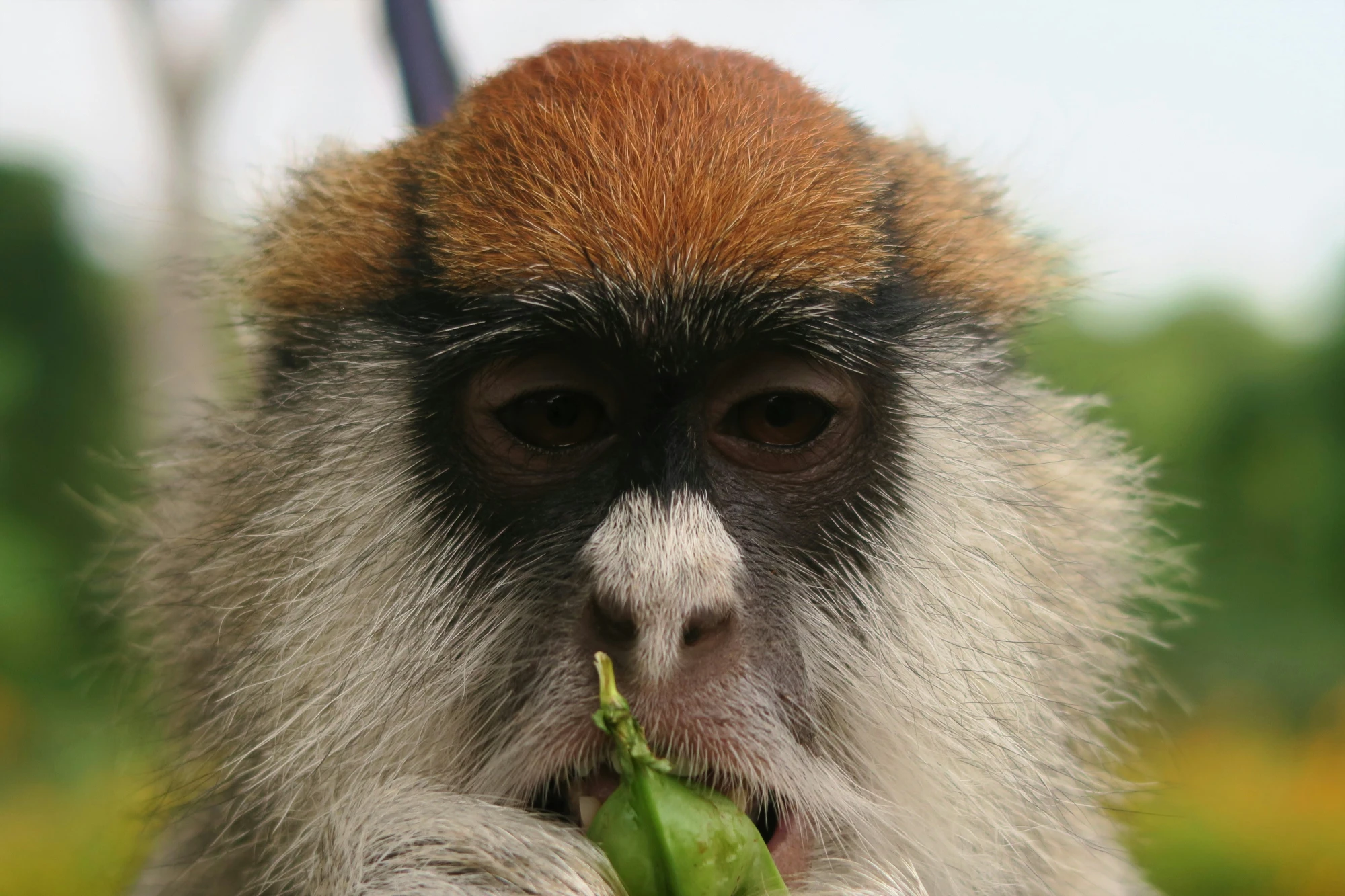
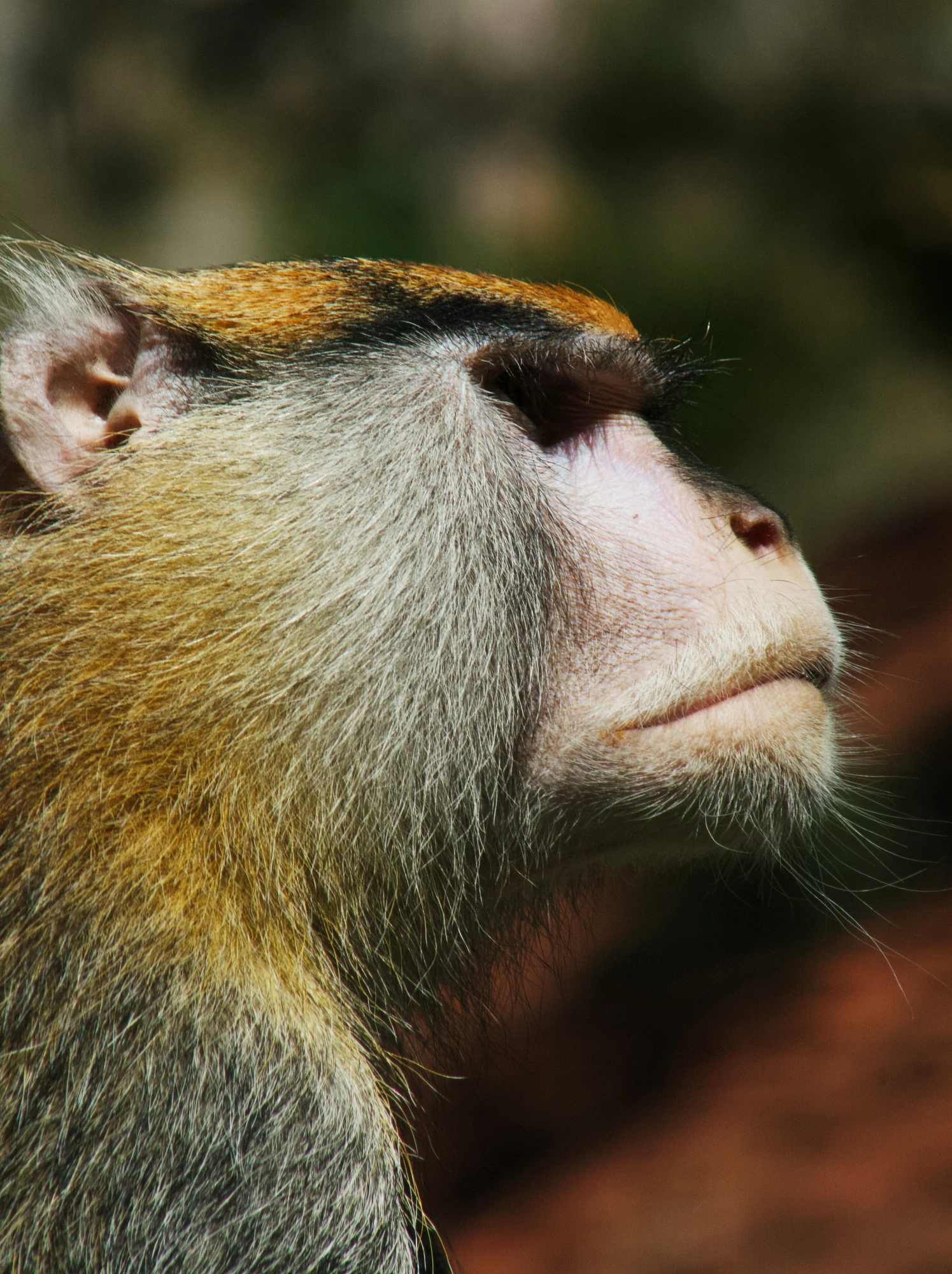
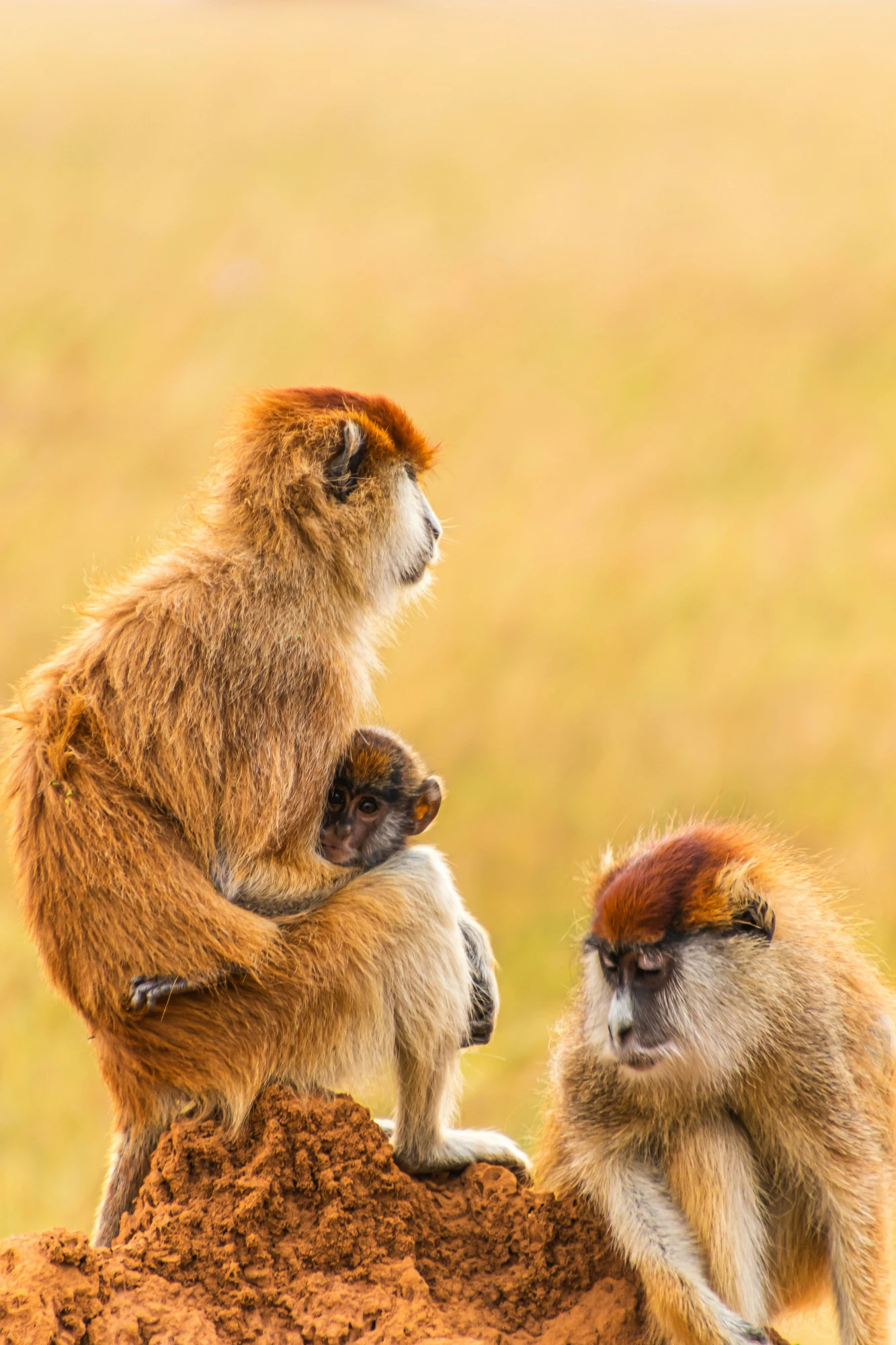
The Southern Patas Monkey is one of Tanzania's remarkable wildlife species and an important part of open savannah ecosystems. Protecting patas means protecting the habitats, water sources, vegetation and ecological connections that many other species — and communities — also rely upon.
Our work with patas monkeys and Maasai Apalis is part of a wider commitment to endangered-species conservation in Tanzania. By safeguarding habitats and strengthening local capacity, we help secure a safer future for many species — not only the ones most visible today.
We develop, test and apply innovative conservation tools — hardware and software — to improve how wildlife and habitats are monitored, understood and protected.
AI-supported analysis, bioacoustic monitoring and environmental sensors to detect and understand wildlife at scale.
Remote sensing, satellite and geospatial mapping, wildlife tracking devices and drones for habitat and corridor insight.
Forensic science to identify illegally traded wildlife products, strengthen evidence and support law enforcement against wildlife crime.
Let us join hands today to secure a future where Tanzania’s wildlife and communities thrive together.
Save Patas TanzaniaWe welcome government institutions, NGOs, research institutions, private-sector organisations, donors and other partners who share our commitment to wildlife conservation, savannah restoration and community-led action.